
Morning. The AI boom got a bill, a referee, a drone-defense startup, a moon-tech shopping list, and one very shiny music biopic.
The theme today is simple: the demo phase is over. Now the invoices, regulators, power grids, and buyers are walking into the room.
Let's ride. 🤠
🧠 THE BIG PICTURE

IBM Just Found The AI Tax
IBM had the kind of stock day executives remember in their bones.
MarketWatch reported IBM fell 25.2% after a surprise preliminary earnings miss. Revenue came in around $17.2 billion, software growth missed badly, and CEO Arvind Krishna said the company did not adapt fast enough as clients shifted capital toward AI infrastructure.
That is the important part. This was not just "old tech company has bad quarter." It was a receipt for the new AI budget fight.
Companies still want AI. They are just moving the money. Chips, data centers, cybersecurity, power, and model access are getting funded first. Consulting, legacy software, and nice-to-have transformation decks are fighting for what is left.
Today's Beyond Brief Daily podcast framed it as three walls hitting at once: New York pausing new hyperscale data centers, IBM getting smoked by the AI spending shift, and Wall Street looking harder at cheaper Chinese model options.
That stack matters. The Guardian says New York became the first state to impose a one-year pause on new hyperscale AI data centers over 50 megawatts. WIRED called it the first statewide moratorium of its kind.
So the AI buildout now has a physical choke point: land, power, water, permits, and communities that do not want their utility bills turning into someone else's GPU farm.
Everyone spent two years asking, "Who has the best model?" The better question now is: who can afford the whole machine?
🚀 HEADLINES THAT MATTER
DeepMind Wants A Referee

Google DeepMind CEO Demis Hassabis wants a U.S.-led global AI watchdog.
The Verge says Hassabis is pushing for a body that would test frontier models and slow releases if the risk gets too high. Axios described the idea as industry-funded, expert-staffed, and modeled loosely on financial-market self regulation.
That sounds like policy. It is also product strategy.
If the biggest labs create the testing standard, buyers may start treating approval like a procurement badge. "Can this model pass the watchdog?" becomes the new "Is this SOC 2?"
The operator angle: regulation is not always a brake. Sometimes it is a sales channel with a government-looking logo.
The Drone War Got A Startup Round
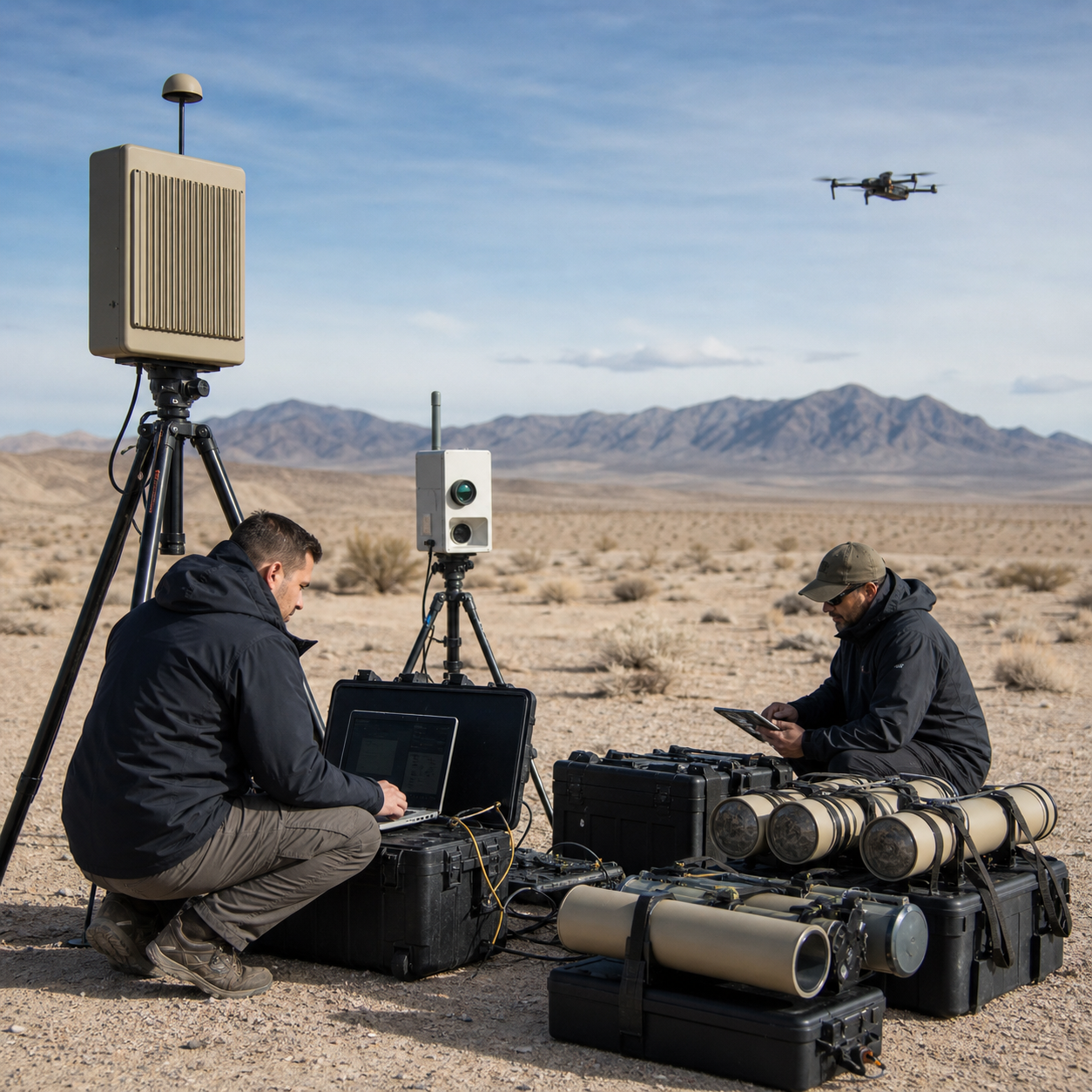
Axios says air-defense startup Singularity came out of stealth with an $80 million Series A and a $400 million valuation.
The pitch is brutally 2026: make air defense cheaper against drones and missiles that are getting cheaper faster.
This is where the AI money story gets less abstract. Not chatbots. Not dashboard copilots. Hardware, sensors, defense procurement, and the ugly math of spending a million-dollar interceptor on a cheap drone.
Khosla and Felicis leading the round says venture is still willing to fund hard, regulated, physical-world AI when the pain is obvious and the buyer has a budget.
Save this frame: the best AI startup ideas may be the ones where failure has a body count, a supply-chain cost, or a national-security line item.
A Biopic Became A Billion-Dollar Asset

People says Michael, the Michael Jackson biopic, crossed $1 billion at the global box office and became the highest-grossing biopic ever.
That is not just Hollywood gossip. That is IP finance.
Music catalogs, estates, merch, streaming bumps, documentaries, theater releases, and nostalgia all point at the same business model: turn memory into a multi-channel asset.
The weird part is that biopics used to feel like prestige plays. Now the right one can look like a franchise launch without capes, aliens, or animated toys.
The lesson for operators is not "go buy a dead celebrity catalog." Please do not take that from me. The lesson is that owned attention compounds when it can move across formats.
NASA Picked The Boring Moon Problems
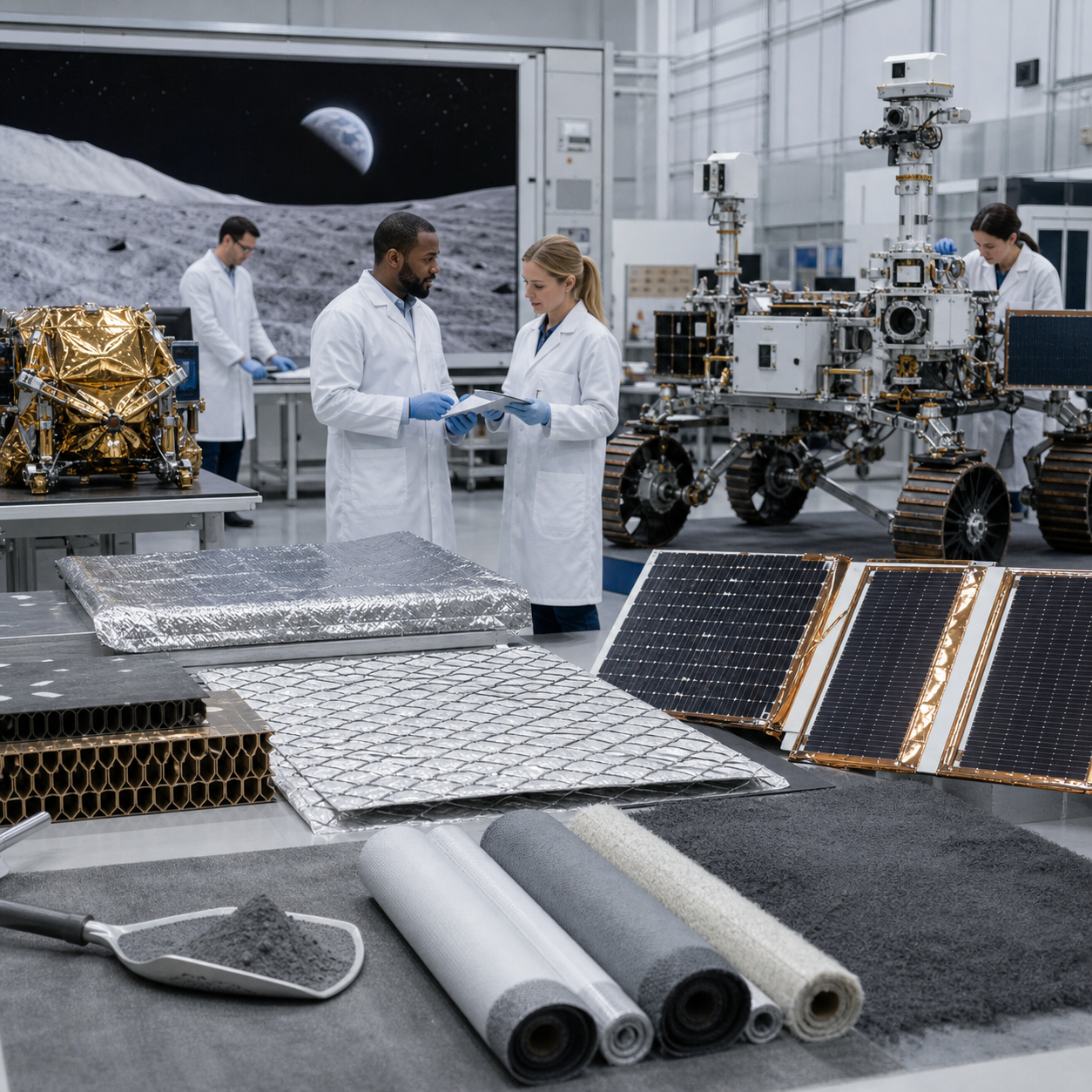
NASA selected 41 proposals from 37 companies to work on Moon and Mars technology.
The fun version is space. The useful version is infrastructure: surface operations, lunar dust, power, transportation, and the stuff that makes a moon base less like a poster and more like a job site.
This is a nice reminder that the future is usually built out of annoying parts.
Space exploration sounds romantic until you realize the business is basically "how do we keep dust out of equipment, move power around, and make machines survive in awful places?"
Honestly, that is why it is interesting. The companies that solve boring constraints usually get closer to the money than the companies selling the poster.
🎧 LISTEN: Today's Beyond Brief Daily podcast
The AI Buildout Is Hitting Three Walls at Once | Jul 15, 2026 (4:31)
Today's episode connects the dots between New York's data-center pause, IBM's brutal AI-budget miss, and Wall Street's interest in cheaper model options. The short version: AI demand is real, but the buildout is running into power, capex, and procurement reality at the same time.
Listen here: The AI Buildout Is Hitting Three Walls at Once.
⚡ RAPID FIRE
Verizon is reportedly preparing another layoff round as it tries to cut $5 billion in operating expenses. Telecom is learning the same AI lesson as software: efficiency sounds clean until it shows up as headcount math.
Anthropic is hiring 32 catastrophe-prevention roles, including people focused on chemical, nuclear, cyber, and fraud misuse. That is either responsible scaling or the most alarming job board in tech.
UK teenagers could face a midnight social-media curfew, with platforms like YouTube, TikTok, and Snapchat in the policy blast radius. The kid-safety fight is turning growth loops into compliance features.
SpaceX hit its 600th flight-proven booster launch. Reusability is not sexy anymore. That is exactly why it is working.
India's esports market is spreading beyond one or two titles, according to JioBLAST's CEO. Gaming keeps looking like media, sports, and youth culture wearing the same hoodie.
TOGETHER WITH WISPR FLOW
If typing is the bottleneck, Wispr Flow is the voice-to-text app I would test first.
It works anywhere you type: Mac, Windows, iPhone, Android, apps, and websites. You talk messy; Flow cleans up the self-corrections, filler words, punctuation, and formatting.
For creators and operators, that means longer prompts, better scripts, cleaner comments, and fewer half-written ideas dying because your hands got tired.
Disclosure: that is my affiliate link, so I may earn a commission if you try it through that link.
🧠 THE THING NOBODY'S SAYING

Your Audience Is Not Just An Asset
PKWARE's 2026 breach tracker says Substack had a data breach that exposed subscriber contact information, including email addresses and phone numbers, while passwords and payment data were not part of the incident.
Here is the thing nobody's saying loudly enough: "own your audience" is only half true.
You can own the relationship, the voice, the trust, and the habit. But the platform still holds the database, the login system, the export path, and the blast radius when something breaks.
That does not mean creators should run away from platforms. It means audience ownership needs boring operational habits: regular exports, clean permission records, backup channels, and fewer "just trust the dashboard" assumptions.
The creator economy keeps selling independence. The plumbing is still very dependent.
That's the briefing. Now go build something.
- Michael
P.S. If today's issue has a bumper sticker, it is this: the AI gold rush is becoming a utility bill, a compliance review, and a procurement spreadsheet. Less magical. More useful.
🎧 Missed the podcast? Catch today's Beyond Brief Daily here: The AI Buildout Is Hitting Three Walls at Once.