NASA’s latest group project comes with a million-dollar prize pool. Somewhere, a student is already asking whether the Moon base presentation needs transitions.
Also today: Godzilla wins the weekend, and a coffee machine makes almost everything except less washing up.
Let’s ride. 🤠
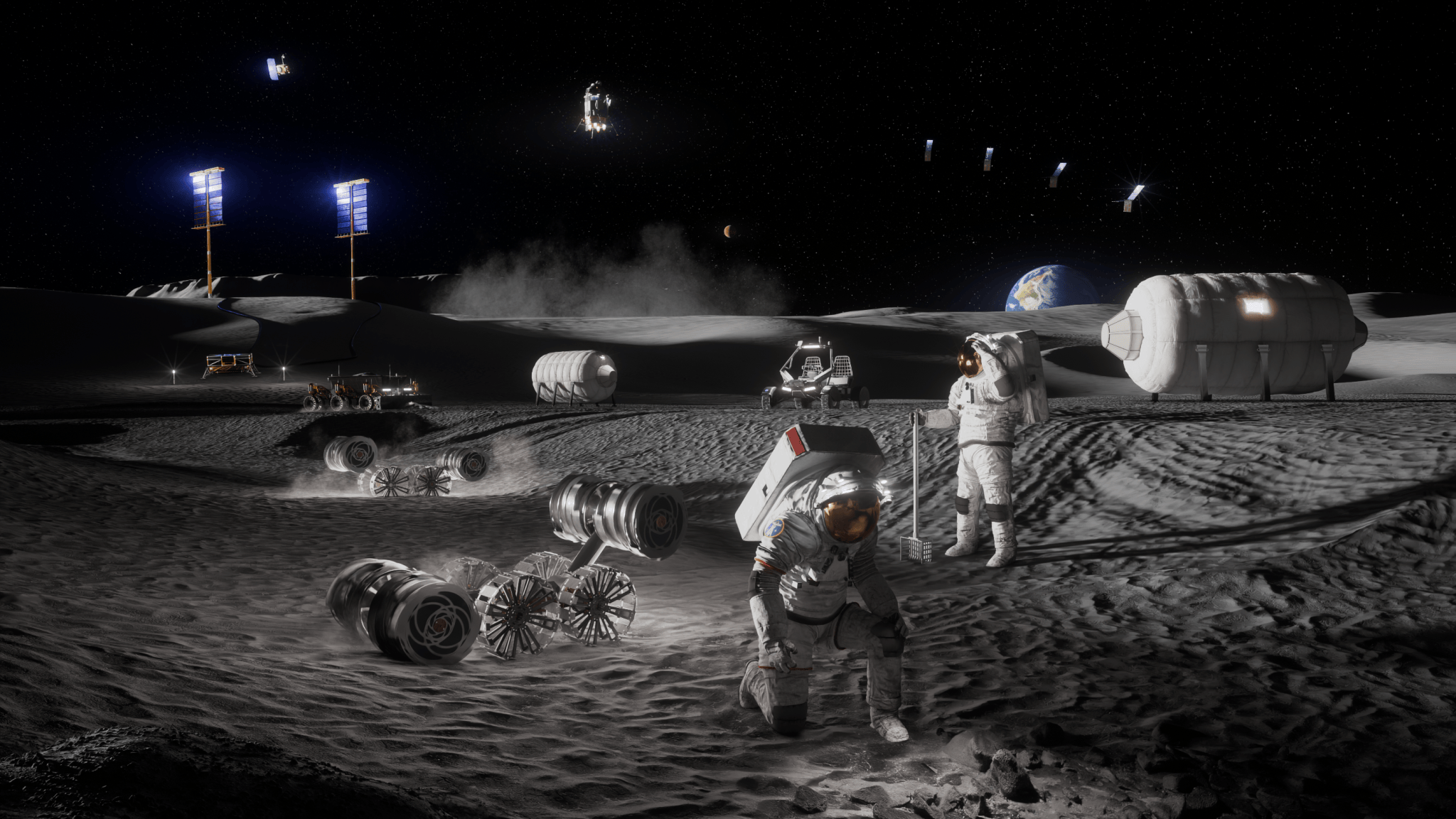
NASA’s Moon Base concept illustration. Credit: NASA.
🧠 THE BIG PICTURE
Your homework: somewhere to live on the Moon
NASA opened a $1 million Moon Base Student Challenge Sunday, inviting U.S. high school and post-secondary teams to design systems for a future lunar outpost. Registration runs through January 25, 2027, so this is an actual opportunity to join, not just admire from afar.
The six categories cover power, construction, life support, mobility, communications, and astronaut safety. That gives students plenty of entry points beyond designing a rocket: a dependable power supply or a safer way to move cargo belongs in the conversation, too.
Teams will work with real mission constraints and produce proposals, trade studies, and briefings. NASA says specialized engineering experience isn’t required; technical and vocational students are welcome alongside other academic tracks.
Know a teacher, student club, or ambitious teenager? Send them the official competition details. The assignment is considerably more interesting than another baking-soda volcano, though the volcano does have fewer oxygen requirements.
HEADLINES THAT MATTER
🦖 Godzilla stomps past the language barrier
Godzilla Minus Zero opened to an estimated $31.6 million domestically, setting a North American opening record for a non-English-language film. The reported worldwide total reached $63 million.
That’s a much bigger start than Minus One’s $11.4 million debut. For distributors, it’s another reason to look beyond English-language franchises when filling a release calendar. For moviegoers, the proposition remains wonderfully straightforward: enormous monster, enormous screen, somebody else’s infrastructure problem.
☕ Thirteen drinks, one very busy drip tray
Ninja’s $999.99 AutoBarista Pro offers 13 drink presets, automated grinding, and milk frothing. It bundles several countertop jobs into one machine, which is appealing if your household’s coffee orders require their own spreadsheet.
A new hands-on review praised the drinks but disliked frequent drip-tray emptying. That’s the useful buying question: do you want more drink options enough to maintain another appliance? “Automatic” still leaves somebody responsible for the wet bits.

AutoBarista product images supplied by SharkNinja, via TechCrunch.
🎾 Alcaraz closes the weekend in Paris
Carlos Alcaraz beat Ben Shelton 7–6 (5), 7–5 to win the Paris Masters on Sunday. It was his fifth title of the year, following his Vienna victory a week earlier.
The result gives his late-season return real momentum after a wrist injury kept him out until August. Two titles in two weeks is a persuasive way to answer questions about form. It also makes most of our “productive weekend” claims look extremely negotiable.
🧠 Apple wants Siri to take a bigger leap
Bloomberg reporting summarized by The Mac Observer says Apple CEO John Ternus has pushed software chief Craig Federighi to accelerate AI work beyond incremental Siri improvements. Apple hasn’t commented on the report.
The appealing direction is an assistant that can follow a goal through several steps, reducing the tapping between apps. This is reported internal pressure, not a newly available feature or a promised release date. Still, more competition to make everyday assistance useful is welcome.
🌍 A big ozone hole needs a little context
NASA’s new visualization puts this year’s Antarctic ozone hole seventh largest by seasonal average area in 48 years of monitoring. It wasn’t as deep as other large holes.
A strong polar vortex helped create the conditions. Annual weather swings complicate the picture alongside slow recovery from ozone-depleting chemicals. The map shows September 18’s maximum extent; today’s publication isn’t a hole suddenly opening this morning. Size, depth, and long-term trend are different measurements.
Nvidia’s board opens an investigation
Nvidia is investigating whether Jensen Huang was targeted by Chinese intelligence following reports of an affair. The board says it has no reason to believe national security or company secrets were compromised.
Those are distinct statements: an investigation has begun, and a compromise has not been established. Nvidia says Huang will continue as CEO. For customers and partners, the immediate issue is leadership continuity at a major AI supplier; the inquiry’s findings remain to come.
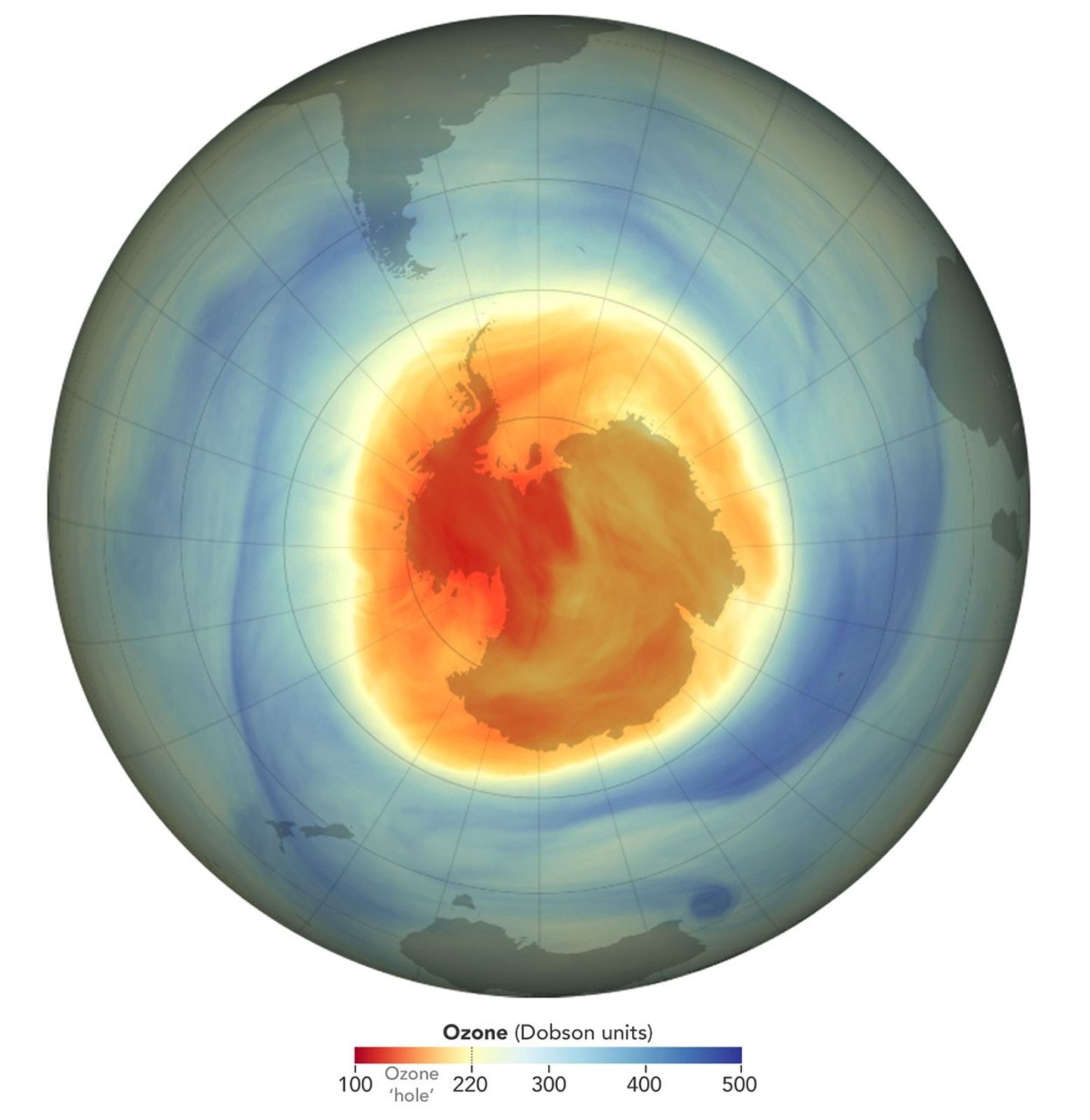
September 18 ozone concentrations. NASA Earth Observatory / Lauren Dauphin, using NASA Ozone Watch data.
⚡ QUICK HITS
A lighter face computer. A new Snap Specs hands-on finds improved comfort at 132 grams. The $2,200 price remains a heavier consideration.
Boardroom surprise. The FT reports Sequoia partners were surprised by Roelof Botha’s SpaceX board appointment. Sequoia says they still collaborate closely.
AI training today. Google’s free veterans small-business livestream starts at 1 p.m. Eastern, with practical AI instruction and a live Q&A for veterans and military spouses.
A new Musk on SNL. Jeremy Culhane debuted his impression on Weekend Update. The billionaire awkwardly tries befriending the hosts.
A useful screen-time swap. Libby lets you borrow ebooks and audiobooks through participating libraries. An existing resource worth bookmarking, with a library card instead of another subscription.
A cosmic face. Today’s NASA astronomy pick features Rigel and the Witch Head Nebula. Space continues to supply excellent names without hiring a branding agency.
ONE LAST THING
NASA’s Sunday astronomy pick revisits a 2017 photograph of Italy’s Dolomites, interrupted by a spectacular meteor. The photographer planned the mountain composition; the fireball arrived uninvited. Occasionally the best part of making something is the thing you couldn’t have put in the brief.
— Michael
P.S. Which Moon-base problem would you give the students: power, transport, or keeping everyone alive before coffee?