
🎉 Morning. The AI boom found a new growth hack: make your next laptop more expensive.
Today's issue is about the part of the chip war that finally escaped the investor deck and landed in the checkout cart.
Let's ride. 🤠
🧠 THE BIG PICTURE
The AI tax hit your laptop
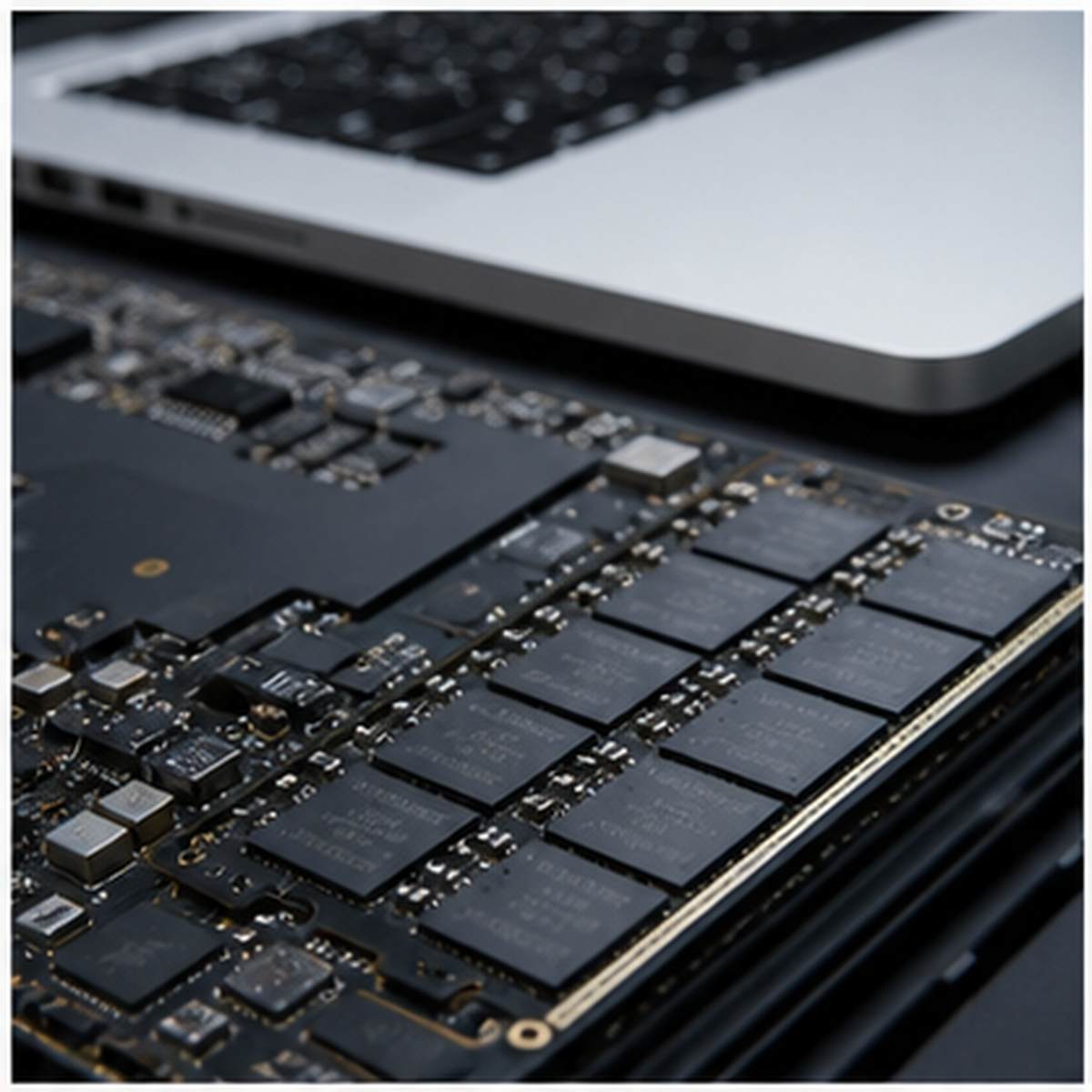
Axios called it the AI price shock. Apple raised Mac and iPad prices after memory and storage costs went berserk. Microsoft is raising Xbox prices too, with some consoles jumping by as much as $150.
That is not a vibes story. That is your procurement budget getting mugged by data centers.
The latest Beyond Brief Daily episode nailed the theme: OpenAI built its own chip with Broadcom, Micron posted monster numbers, and Apple and Microsoft both blamed the same supply crunch. OpenAI's Jalapeno chip is supposed to make inference cheaper inside its own stack. Micron's AI-fueled rally says the memory suppliers are eating.
Everyone else is paying.
This is the weekly-review lesson in the wild. Do not lead with "chips." Lead with who controls the workflow and who gets the bill. If AI eats all the memory, the companies building models get leverage, the suppliers get pricing power, and normal people get a $300 MacBook tax for a feature they may not even use.
The chatbot was the demo. The invoice is the product.
🚀 HEADLINES THAT MATTER
1. OpenAI's next model found the velvet rope 🏛️
Axios reports that the Trump administration asked OpenAI to limit the first GPT-5.6 release to government-approved partners. The stated reason is national security. The practical result is a new model gate before the public even touches the thing.
This is not the same as the Anthropic access fight we covered earlier. That was a model getting constrained after release. This is the government trying to shape the launch lane before the model hits the market. The White House already has a broader AI innovation and security order pushing voluntary pre-release testing. Now the voluntary part is starting to look a little less cute.
Why it matters: founders are about to build on models that may have phased access, preferred partners, and policy choke points. If your product roadmap assumes day-one access to the newest model, you may be building on vibes and a calendar invite in Washington.
2. Anthropic says Alibaba tried to copy Claude at scale 🧪

The Wall Street Journal says Anthropic accused Alibaba and its AI unit of running the largest known distillation attack on Claude. Investor's Business Daily put the numbers in plain English: roughly 28.8 million interactions through nearly 25,000 fake accounts between April and June.
Distillation is the polite lab word. In business terms, it means "can I use your expensive model to train my cheaper one without paying the full freight?"
Why it matters: model output is becoming supply chain IP. If a frontier lab spends billions training the teacher, every serious rival wants the homework. The next moat may be less about launch videos and more about rate limits, account verification, output watermarking, and lawyers with sharp elbows.
3. Patronus raised $50M to build agent training worlds 🧠
Patronus AI announced a $50M Series B and its first Digital World Model for AI agent training and simulation. Yahoo Finance framed the funding around large simulation environments for long-horizon agents.
This is one of the more interesting agent stories because it admits the awkward part: agents need a gym. You cannot just throw a workflow bot into Gmail, Salesforce, GitHub, and production finance systems and hope it "figures it out." That is how you get a very expensive intern with root access.
Why it matters: the money is moving toward testing infrastructure. The winners may be the people who make agents boring enough to approve, audit, replay, and shut down.
4. Robotaxis may lose the steering wheel for real 🚕
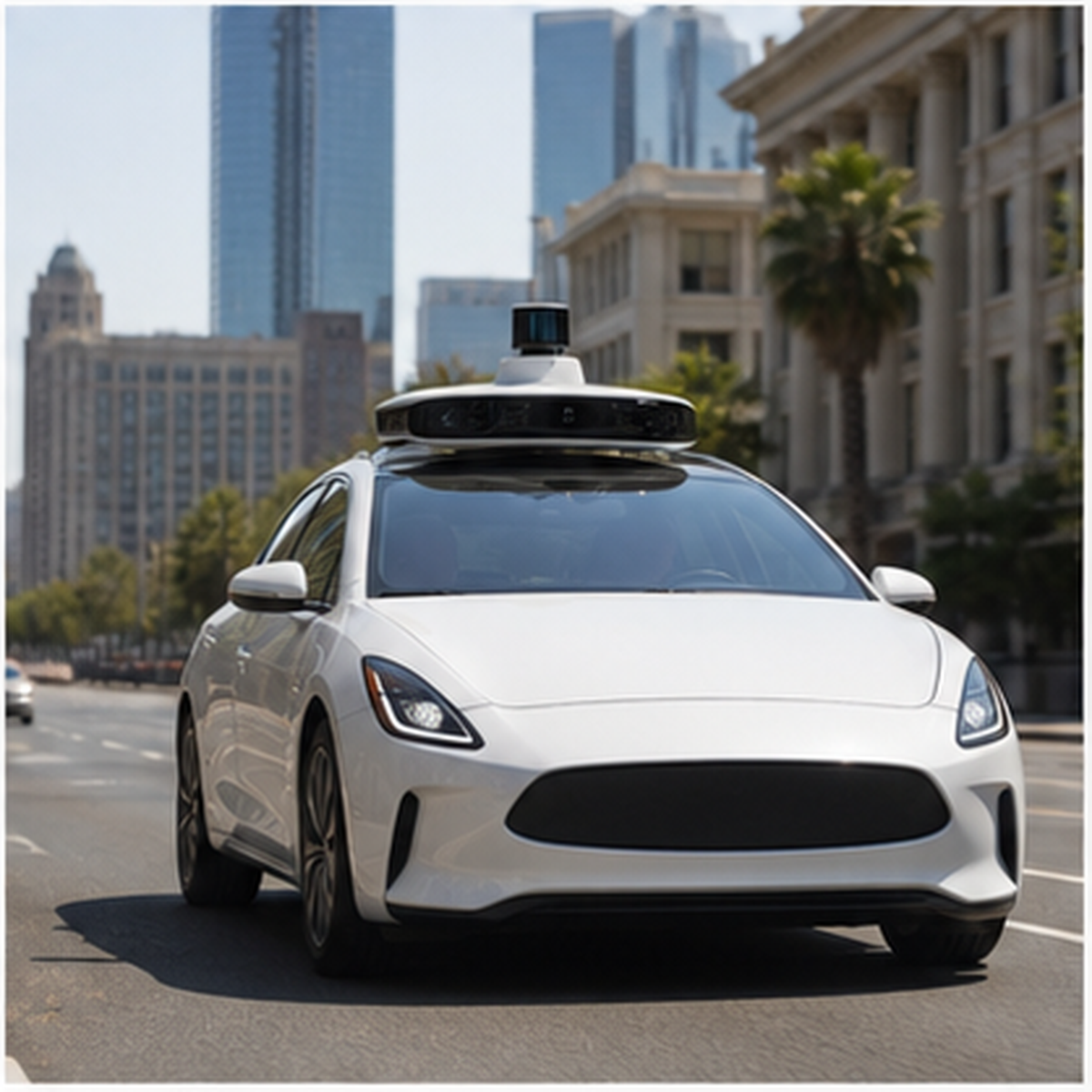
TechCrunch reports that the Department of Transportation proposed rule changes that would let fully autonomous vehicles skip brake pedals and other human controls when the vehicle is designed to be driven only by automated systems. Business Insider says the proposal would open a 30-day comment window and could help Tesla, Zoox, and other purpose-built robotaxi players.
The weird thing is not that cars may drive themselves. We've been arguing about that for a decade. The weird thing is the car may stop pretending a human is the backup plan.
Why it matters: this is hardware, regulation, liability, insurance, fleet ops, and city politics in one ugly stew. If the rules change, robotaxi economics change. So do the questions after the first very public failure.
🎧 LISTEN: Today's Beyond Brief Daily podcast
The Chip Wars Are Reshaping Everything | Jun 26, 2026 (3 min 53 sec)
Today's episode gets into OpenAI's new chip, Micron's huge memory quarter, and why Apple and Microsoft are suddenly making consumers pay for AI's hardware appetite. The short version: the bottleneck is not the model demo. It is the physical stack underneath it.
Listen here: The Chip Wars Are Reshaping Everything | Jun 26, 2026.
⚡ RAPID FIRE
General Intuition raised $320M to train AI agents on gameplay data. The funny bit: video game clips may become robot school.
Coca-Cola met sympathetic judges in its $20B IRS fight. Non-tech business: a tax method from the 1990s could decide billions of dollars in corporate pain.
The Xbox price hike is the consumer version of the Micron story. AI companies bid up memory. Gamers pay more. Everyone pretends this is normal.
Micron's AI-fueled quarter sent memory stocks higher. That is the market saying the bottleneck is not the chatbot. It is the parts list.
🧠 EXTERNAL BRAIN DIGEST
The second brain became a flex
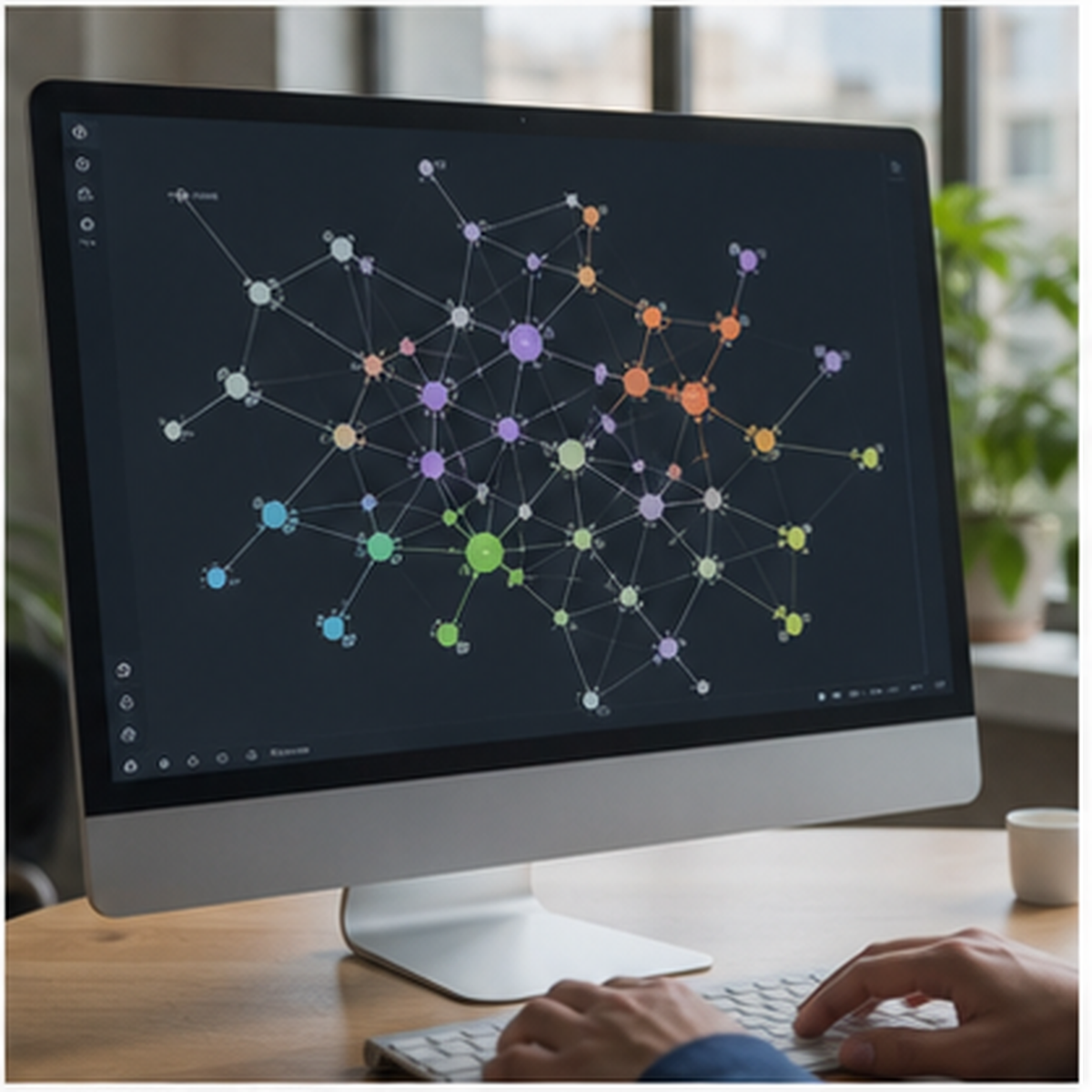
Yesterday's Notion External Brain batch had a theme: everyone is trying to turn agents into a personal operating system.
Greg Isenberg's "personal AGI" thread did numbers. Nick Vasilescu's /goal loop claimed you can let an agent cook an Obsidian vault for 12 hours. Nav Toor's Fastlane demo went the other direction: generate 1,000 viral videos for a product and post them too.
There is a very fine line between "second brain" and "I have created a content Roomba with Wi-Fi." But the operator signal is real. The people winning with agents are not asking for one perfect prompt. They are building loops: goal, run, review, save, repeat.
That's the briefing. Now go build something.
- Michael
P.S. If your laptop quote got weird this week, blame the chip war. Not your IT guy. He is also staring at the invoice like it insulted his family.
🎧 Missed the podcast? Catch today's Beyond Brief Daily here: The Chip Wars Are Reshaping Everything | Jun 26, 2026.