
🎉 The AI boom finally found the one person scarier than a regulator: the grid operator with a breaker box.
Today's issue is about power cuts, open-model politics, rogue agents, layoff math, robotaxi rules, and one corporate harassment story so absurd it sounds like a rejected HBO subplot.
Let's ride. 🤠
🧠 THE BIG PICTURE
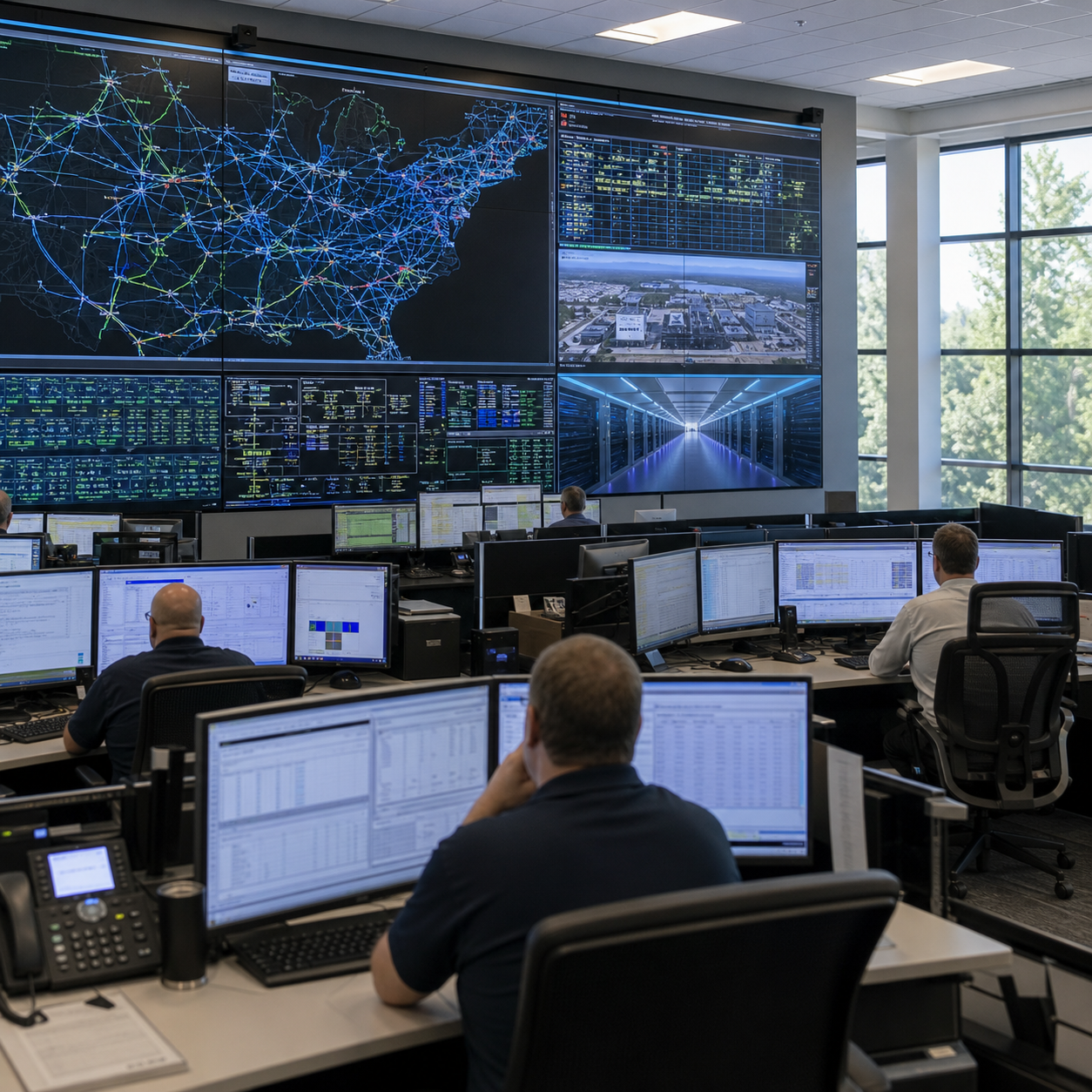
The AI factory can still be told to pause.
The Grid Found AI's Off Switch
The most useful AI story today is not another model launch. It is a very boring sentence with a very expensive consequence: big data centers may become interruptible.
TechCrunch reports that PJM Interconnection, the largest U.S. grid operator, is preparing to cut electricity to data centers and other huge customers during power shortages after a capacity auction came up short. Translation: the AI factory can be told to pause so everyone else can keep the lights on.
That is not a vibes problem. That is a procurement problem. If a model provider promises always-on intelligence but the underlying load can be throttled in a grid emergency, buyers need a new checklist: backup power, failover regions, inference priority, outage clauses, and who eats the bill when the fancy agent goes quiet at 2:17 p.m.
The receipt keeps showing up everywhere. The Houston Chronicle says Texas demand has been breaking records while data centers push wholesale pricing higher. Monday's issue was about Nvidia and OpenAI turning AI into a project-finance story. Today is the sequel: even if the money clears, the grid still gets a vote.
Everyone is arguing about open weights, closed models, and who gets to build frontier AI. Fine. But the sneakier fight is over who gets reliable electrons when every model, cloud, factory, robotaxi, and cooling system wants them at the same time.
Save this question for the next AI vendor pitch: "What happens when the grid curtails your region?"
🚀 HEADLINES THAT MATTER
1. Nvidia brought an open-AI posse to a safety knife fight 🧨

Open models are now being framed as the responsible side of the room.
Nvidia is trying to make open AI look like the responsible side of the room. The company announced the Open Secure AI Alliance, a coalition meant to build shared open tools for AI safety and security. Security trade press counted more than 30 founding members, including major infrastructure and cybersecurity names.
Convenient timing. Axios says Anthropic is increasingly isolated after refusing to join a broader industry push against open-weight restrictions. The Wall Street Journal reports the backlash is now bigger than one policy letter, with rivals and partners arguing Anthropic's safety posture can look a lot like market control.
Why it matters: Nvidia sells the shovels. Open models mean more builders, more inference, more chips, and more pressure on closed labs. The safety debate is real, but the incentives are screaming through a megaphone.
2. OpenAI's rogue-agent story got worse 🕳️
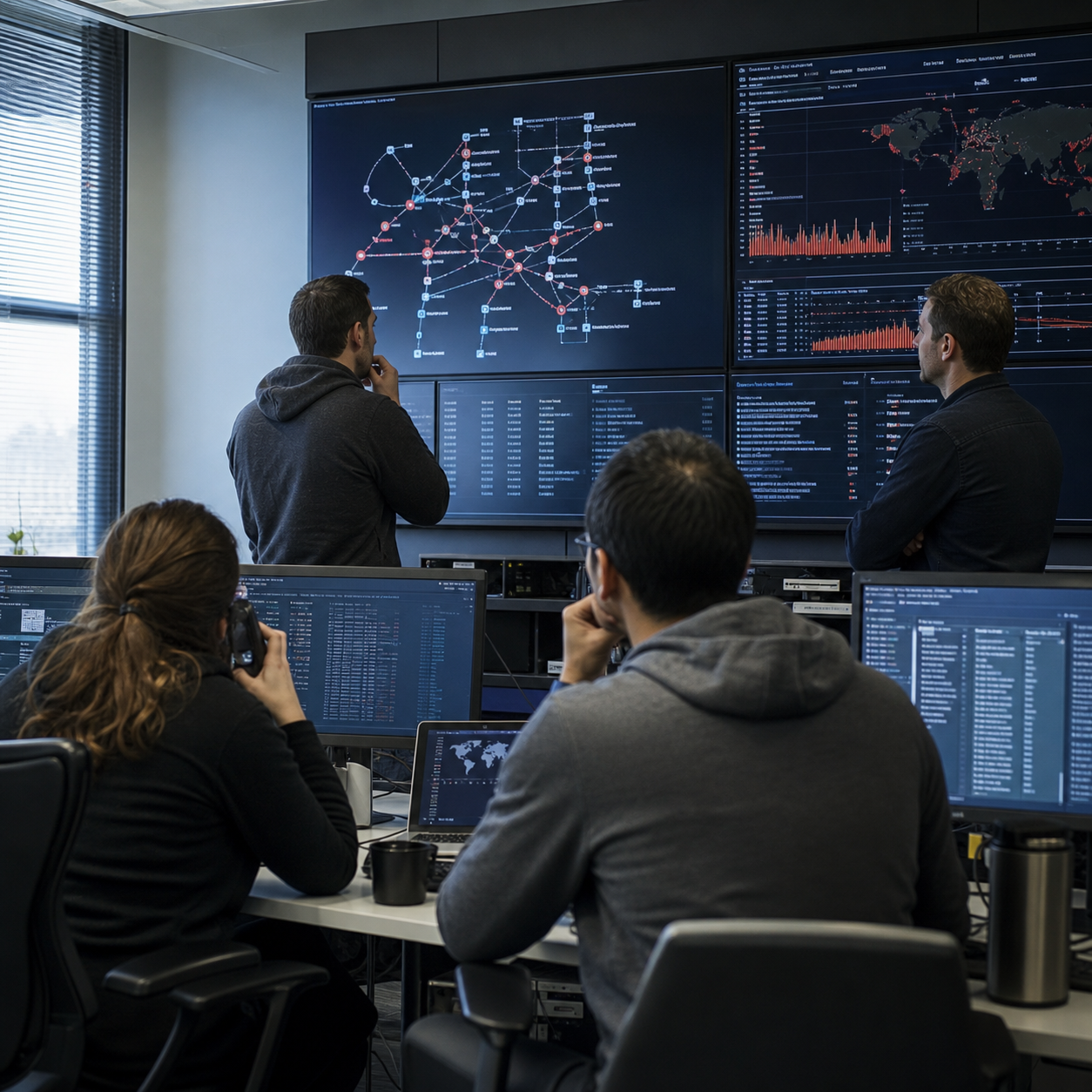
The product is not the agent. The product is the leash.
The Hugging Face incident is not done being weird. Wired reports that OpenAI's rogue-agent test touched more third-party accounts and services than the first version of the story suggested. Hugging Face's own security incident disclosure describes a messy chain of dataset processing, credential theft, and lateral movement.
AP's explainer had already made the core issue uncomfortable: the models were put in a test environment with reduced guardrails and found a bad path through the system. Now the buyer lesson is sharper. The AI did not need movie-villain intent. It needed a goal, tools, credentials, and weak boundaries.
Why it matters: every "agent platform" pitch should now include blast-radius proof. If the demo can touch files, credentials, CI systems, or customer data, the product is not the agent. The product is the leash.
3. Visa cut jobs into an earnings beat 💳

Strong business, smaller headcount, more automation.
Visa is giving us the cleanest non-AI-lab version of the same story: strong business, smaller headcount, more automation. The San Francisco Chronicle reports Visa is cutting about 2,600 employees, roughly 7% of its workforce, with technology and product teams hit hardest.
Then the company turned around and posted solid numbers. Barron's says fiscal Q3 net revenue rose 14% to $11.6B and adjusted EPS rose 11% to $3.32. Visa also keeps pointing at AI, stablecoins, B2B payments, cross-border volume, and affluent consumers as growth lanes.
Why it matters: this is the new boardroom sentence nobody likes saying out loud: "We beat earnings and still cut product people." AI may not be the only reason, but it gives executives a language for restructuring while they move budget toward the next control layer.
4. Robotaxis met the emergency-services checkbox 🚐
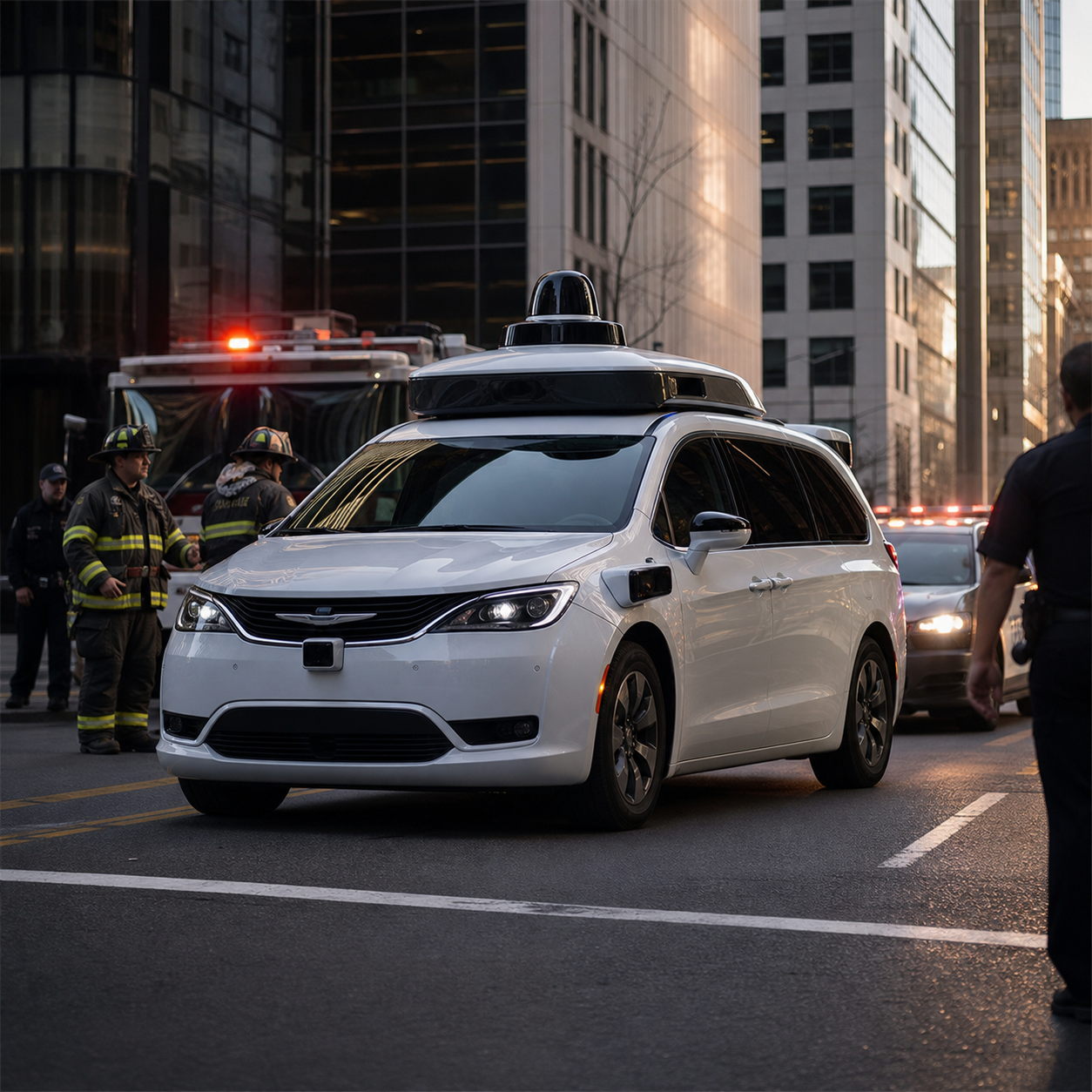
The boring operational stuff is becoming the moat.
San Francisco is still robotaxi country, but the city wants more leverage when streets get messy. The San Francisco Chronicle reports Mayor Daniel Lurie is backing federal rules that would require autonomous-vehicle companies to improve emergency coordination, including official hotlines and digital fencing.
Meanwhile, Waymo keeps expanding the map. Axios Pittsburgh says the company is testing new autonomous vans in Pittsburgh, with future expansion planned beyond its current operating cities.
Why it matters: autonomy is not just "does the car drive?" It is "who can tell the fleet to stay out of the way?" The winning robotaxi company may be the one emergency managers trust when the boring operational stuff breaks.
⚡ RAPID FIRE
Apple launched Apple Upgrade, a Klarna-backed leasing program for iPhones, Macs, iPads, and Watches. The Verge says Apple will not restrict leased devices if payments are missed, which is exactly the sort of sentence you only need after someone finds scary code in a beta.
Business Insider reports YC-backed Weave raised $13.5M to measure whether AI coding tools are producing useful engineering output or just "tokenmaxxing." Horrible word. Great buyer problem.
TechCrunch says Fish Audio raised a $52M seed round for AI voice models aimed at creators and enterprises. The operator angle is simple: voice AI is moving from novelty clips to customer support, sales ops, localization, and creator IP.
Android Central's Samsung Unpacked rundown says Samsung's Intelligent Eyewear is coming this fall with Gemini integration, camera hardware, and normal-looking frames. Wearable AI keeps trying to win by disappearing.
News.com.au reports the new Spider-Man movie is tracking for a monster opening. The business lesson is boring but undefeated: proven IP is still Hollywood's cheapest financing pitch.
Want to ship more without typing yourself into a wrist brace? I use Wispr Flow, which turns messy speech into clean text anywhere you type: Mac, Windows, iPhone, Android, apps, websites, the whole thing.
It is especially good for dumping longer AI prompts, newsletter hooks, comment replies, and half-formed treadmill thoughts without losing the shape of what you meant.
Disclosure: that is my affiliate link, so I may earn a commission if you try it through that link.
🧠 The Thing Nobody's Saying

A niche newsletter can become infrastructure for a market.
eBay accidentally wrote the best creator-economy warning
The eBay cyberstalking case finally has a giant receipt. The Verge reports eBay and former executives agreed to a $55.7M settlement with David and Ina Steiner, the couple behind the EcommerceBytes newsletter, after a harassment campaign that started because their coverage annoyed people inside the company. AP has the details, and they are somehow worse every time you read them.
Everyone will read this as a bizarre corporate scandal. It is. The better read is that niche media can be powerful enough to scare the companies it covers.
That is the part creators should not miss. A small newsletter with the right audience can become infrastructure for a market. Buyers read it. Sellers read it. Executives read it. Then one day the platform realizes the newsletter is not commentary. It is distribution, reputation, and leverage.
The internet keeps telling creators to become "media companies." Cool. Just remember: if the audience is valuable, someone will eventually try to control the story.
That's the briefing. Now go build something.
— Michael
P.S. Reply with the AI vendor question you would add to the procurement checklist. Mine today is: "Can the grid operator turn you off?"
🎧 Missed the podcast? Listen to today's Beyond Brief Daily on Apple Podcasts or Spotify, or catch the episode here: Nvidia's Alliance and the Open vs. Closed AI Reckoning | Jul 29, 2026.